Why Countertop Seams Crack or Separate

The first thing to check on a cracked countertop in Wichita, KS is the cabinet underneath, because the running record countertops wichita faith bible online holds shows the stone is rarely the root cause. Clay soils in Sedgwick County swell when wet and shrink when dry, and the foundation movement that follows shifts cabinets and stresses anything rigid sitting on them.
Clay Soil and Moving Cabinets

Clay soils expand when wet and shrink when dry. A house on that ground rises and settles through the seasons, and a base cabinet run follows it. Granite and quartz do not flex, so a run that drops a quarter inch at one end puts a bending load on the slab. Cracks near a seam often trace back to this movement and not to a flaw in the stone.
Out-of-Level Cabinets at Install
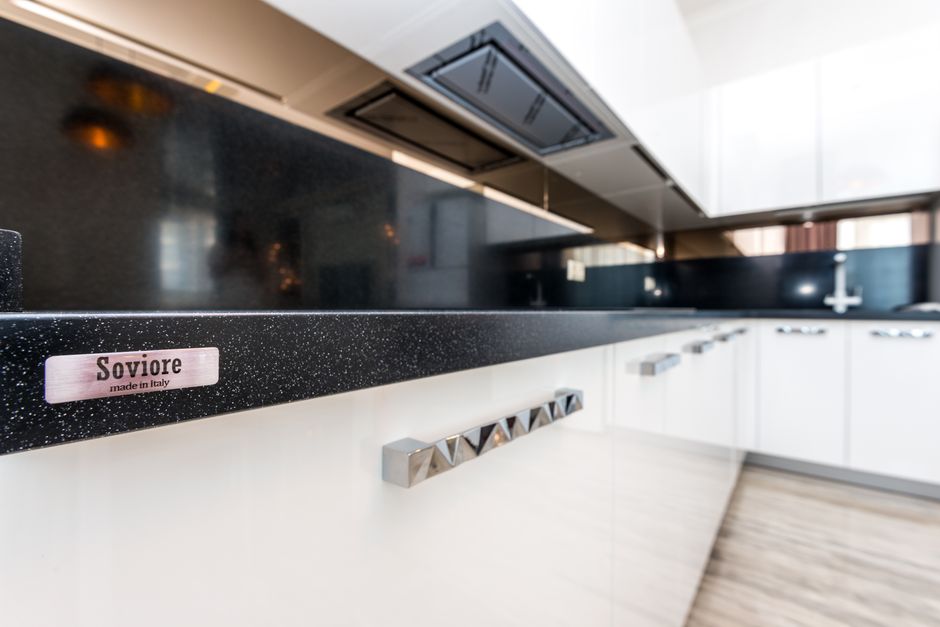
Cabinets that were out of level when the top went on leave low spots. The stone then bridges those gaps instead of sitting flat. Stress concentrates at seams and cutouts, which is where the slab is already weakest. Shimming the boxes level before templating costs an hour. Skipping it can cost the whole top.
Narrow Sections Break First
The narrow strip of stone in front of a sink and the legs of stone around a cooktop are the most common places for cracks to start. There is little material left once the cutout is made. Corners of the cutout should be radiused, and the front strip should rest on solid support. Quartzite and marble with natural fissures near those cutouts deserve extra care in the layout.
Overhangs and Seam Trouble
Stone has low strength in bending. An unsupported overhang cracks when someone sits or leans on the edge. Seam placement matters just as much. A seam that was not pulled flush with seam setters leaves a lip that catches cloths and chips over time. Seam adhesive can also discolor after years of sunlight or harsh cleaners, so a sound seam can look like it is failing when it is only stained. Seams may need attention over the years, and a darkened line is worth checking before assuming the worst.
Repair Before Replacement
Small chips and hairline seam gaps can often be refilled with tinted epoxy by a fabricator, and the top stays in place. A crack is not automatically a reason to pull the whole slab, and it does not always mean the stone was defective. Laminate fails differently. Water enters the joint, swells the core, and lifts the surface. That damage is not repaired with epoxy, and the affected section usually has to be rebuilt or replaced.